

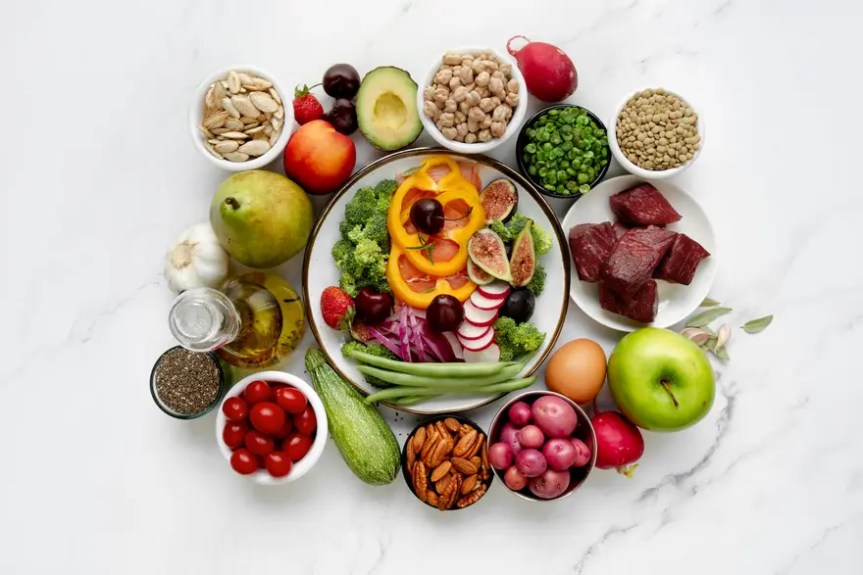
In a world increasingly focused on health and wellness, the term “superfood” has gained significant traction. These nutrient-dense foods offer a myriad of health benefits, making them a fantastic addition to any diet. Rich in vitamins, minerals, antioxidants, and other essential compounds, superfoods can enhance overall well-being and may even reduce the risk of chronic diseases. Let’s explore some of the most celebrated superfoods and how you can incorporate them into your daily meals.
What Are Superfoods?
Superfoods are typically defined as foods that are exceptionally rich in nutrients and beneficial compounds. While there is no formal scientific definition, these foods are often praised for their health benefits. They usually contain high levels of antioxidants, vitamins, minerals, and other nutrients that can contribute to a healthier lifestyle.
Top Superfoods to Consider
1. Berries
Berries, including blueberries, strawberries, and raspberries, are often touted for their high antioxidant content.
- Benefits: Rich in vitamins C and K, fiber, and powerful antioxidants such as anthocyanins, berries can help combat oxidative stress, reduce inflammation, and support heart health.
- Incorporation: Add berries to your breakfast by tossing them into smoothies, yogurt, or oatmeal. They also make a delightful topping for salads and desserts.
2. Kale
Often labeled as a “nutritional powerhouse,” kale is packed with essential vitamins and minerals.
- Benefits: Kale is an excellent source of vitamins A, C, and K, as well as calcium and iron. Its high fiber content promotes digestive health, while antioxidants may support heart health and reduce the risk of chronic diseases.
- Incorporation: Use kale in salads, smoothies, or as a cooked side dish. You can also bake kale leaves with a drizzle of olive oil and seasoning for a healthy, crunchy snack.
3. Quinoa
Quinoa is a gluten-free grain that has gained popularity for its high protein content.
- Benefits: It provides all nine essential amino acids, making it a complete protein. Quinoa is also rich in fiber, magnesium, and various B vitamins, contributing to overall health and well-being.
- Incorporation: Use quinoa as a base for salads, grain bowls, or as a side dish. It can replace rice or pasta in many recipes.
4. Chia Seeds
These tiny seeds pack a nutritional punch and are an excellent source of omega-3 fatty acids.
- Benefits: Chia seeds are high in fiber, which can promote feelings of fullness and support digestive health. They are also rich in calcium, magnesium, and antioxidants, making them beneficial for heart and bone health.
- Incorporation: Add chia seeds to smoothies, yogurt, or oatmeal. They can also be used to make chia pudding by soaking them in milk or a milk alternative.
5. Avocado
Avocados are celebrated for their creamy texture and healthful fats.
- Benefits: Rich in monounsaturated fats, avocados can support heart health by helping to lower bad cholesterol levels. They are also a good source of vitamins E, K, and C, as well as fiber.
- Incorporation: Enjoy avocado in salads, on toast, or blended into smoothies. They can also be used as a base for creamy salad dressings or dips.
6. Sweet Potatoes
These vibrant tubers are not just delicious; they are also highly nutritious.
- Benefits: Sweet potatoes are rich in beta-carotene, which the body converts to vitamin A, essential for eye health and immune function. They also provide fiber and potassium, which are beneficial for digestive health and blood pressure regulation.
- Incorporation: Roast sweet potatoes as a side dish, mash them, or use them in soups and stews. They can also be baked and topped with various ingredients for a healthy meal.
7. Turmeric
This golden spice is gaining attention for its potent anti-inflammatory properties.
- Benefits: Curcumin, the active compound in turmeric, is known for its anti-inflammatory and antioxidant effects. It may also support brain health and improve joint function.
- Incorporation: Use turmeric in curries, soups, or smoothies. You can also make turmeric tea by simmering it with water, ginger, and honey.
8. Greek Yogurt
Greek yogurt is a fantastic source of protein and probiotics.
- Benefits: High in protein and low in sugar, Greek yogurt supports muscle repair and gut health. The probiotics found in yogurt can improve digestive function and boost the immune system.
- Incorporation: Enjoy Greek yogurt with fruit and nuts for breakfast, or use it as a base for smoothies and salad dressings. It can also serve as a healthier substitute for sour cream in recipes.
Tips for Incorporating Superfoods into Your Diet
- Start Small: Introduce one or two superfoods at a time. This makes it easier to adjust to new flavors and incorporate them into your meals.
- Experiment with Recipes: Look for creative recipes that highlight superfoods. Cooking can be a fun way to explore new ingredients and flavors.
- Mix and Match: Combine several superfoods into meals for a nutrient boost. For example, a smoothie can include spinach (kale), chia seeds, and berries for a delicious and healthy start to your day.
- Make It Convenient: Stock your kitchen with superfoods that are easy to use and incorporate into your routine. Pre-washed greens, frozen berries, and pre-cooked quinoa can save time and effort.
- Stay Informed: Keep learning about new superfoods and their benefits. The more you know, the easier it will be to make informed choices about what to include in your diet.
Incorporating superfoods into your daily meals can significantly enhance your nutrition and support overall health. By embracing a variety of these nutrient-dense foods, you’ll not only nourish your body but also discover new flavors and culinary possibilities. Start experimenting today, and enjoy the delicious journey toward a healthier lifestyle!
 Life In Family Blog